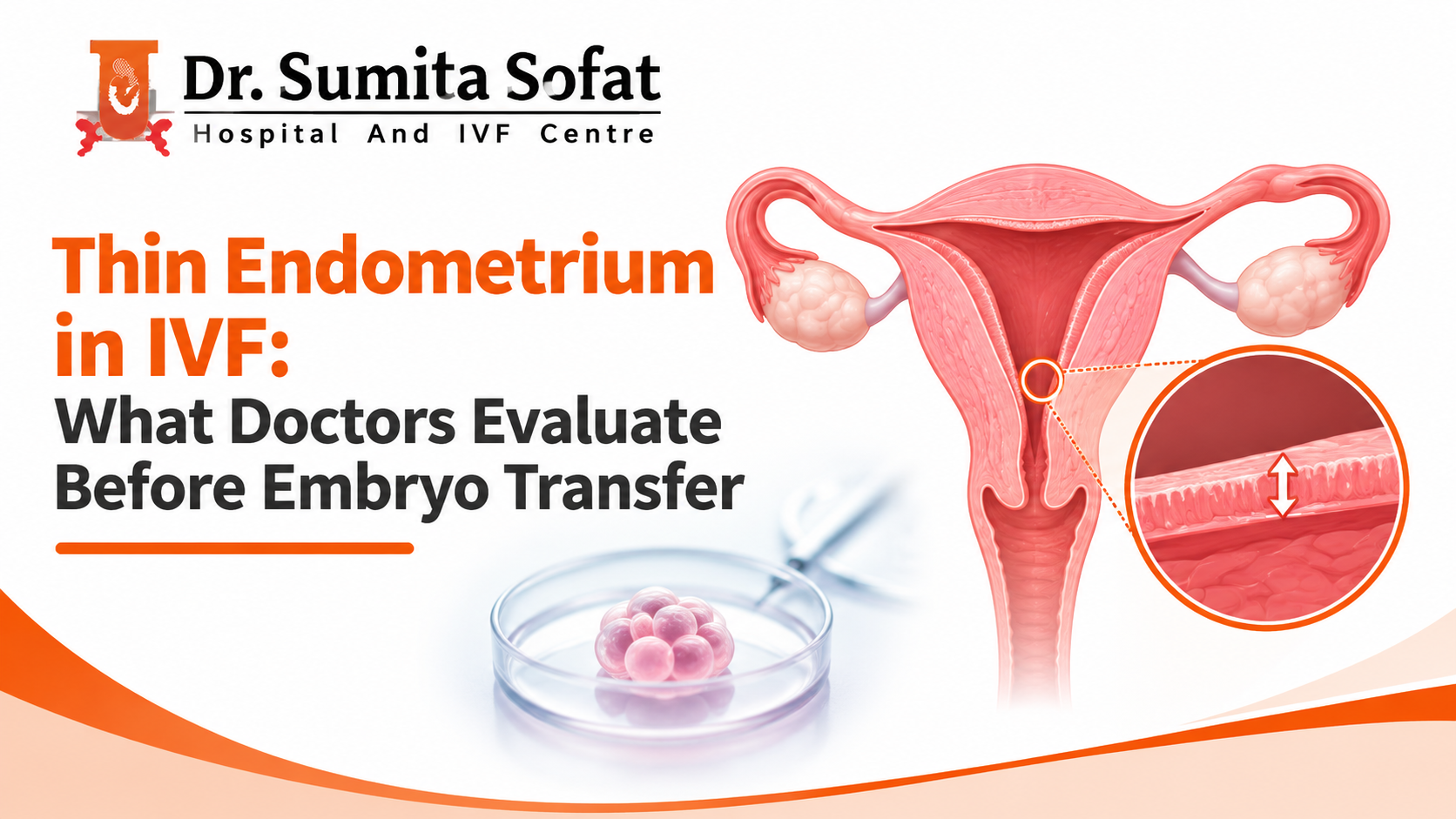
An important factor that determines a successful IVF implantation of the embryo is the thickness of the endometrium because of its vital function in creating the right environment for the embryo.
During the IVF procedures, the doctors are keenly observant of the development of the endometrium so that they can accurately utilize the implantation window. They analyse the patient’s cycle and conduct regular monitoring with the aim of assessing how the body is responding to the development of the endometrium. A thin endometrium IVF affects the chances of the implantation of the embryo, which is why the doctors evaluate the lining to ensure they meet the success rates. You can understand how the doctors evaluate the endometrium, the procedure they conduct, and what affects thickening of the endometrium by reading along this blog.

Does the thickness of the endometrium affect chances of pregnancy?
The endometrium is responsible for providing a consistent supply of nutrients and blood during pregnancy, and it also transforms into the placenta to supply oxygen. The development of the endometrium can naturally change due to hormonal shifts, which is why doctors ensure they evaluate the thickness to determine if it has fully developed to receive the embryo.
Here is why the thickness matters
-
Implantation and live birth rates
-
Uterine receptivity
-
Ultrasound appearance
What are the endometrial thickness measures?
Transvaginal ultrasound helps doctors get a visual presentation of the lining of the endometrium. This test helps doctors analyse the suitable time to implant the embryo, which is most effective for frozen embryo transfer.
The test is taken during;
-
Frozen egg transfer cycles
-
Hormone preparation cycles
-
IVF stimulation cycles
Factors that affect endometrium thickness
Hormonal changes
Endometrial development is primarily linked to the hormones estrogen and progesterone; these are responsible for the lining, shedding and thickening of the endometrium. An imbalance significantly reduces the implantation window, limits maturation of the endometrium, affects the duration of the lining and affects oxygen and blood supply.
Underlying health conditions and structural conditions
The thickening of the endometrium can be affected by other underlying health problems that may not be related to the reproductive system. These are conditions like diabetes, obesity, and tumors. These cause a disruption of the hormonal balance and the metabolic system, and some ovarian tumor treatments can cause high secretion of estrogen, which causes an imbalance.
Structural and other conditions
The development of fibroids, cancerous tumours or inflammation can alter the thickness of the uterus and its shape, as well as distort the supply of nutrients.

Can thin lining of the endometrium be treated?
A thin lining of the endometrium is addressed in various ways depending on the underlying cause. As such, doctors carry out diagnostic measures to identify the cause, then proceed with treatments, which may include;
A prescription of hormonal therapy
The treatment regulates the level at which the hormones are secreted; for example, the duration and dose of estrogen can be adjusted to ensure accurate timing or production of the endometrium. It can also be prolonged to ensure that the endometrium matures for implantation.
Making changes in one's daily habits
In cases where the patient has a habit of smoking, consuming alcohol or has a poor diet, doctors ensure they help the patient through stern advice to refrain from such toxic consumption and advice on improving diet and body movement to help with metabolism.
Conducting surgical procedures
In cases where the patient experiences a thin lining due to intrauterine scar tissue or physical damage, doctors can conduct a surgery known as hysteroscopy, which cuts the damaged tissue, and they can provide antibiotics for chronic endometritis.
How do doctors prepare the endometrium before transferring the embryo?
The preparation process of the endometrial lining differs depending on the evaluation of the patient. It can be carried out in two different ways, such as;
The hormone replacement treatment
This involves hormonal therapy to trigger the lining process, which suppresses the natural timing. Estrogen is prescribed to trigger the endometrium then the patient is monitored to evaluate the body’s receptivity and to analyse the level of maturity.
The natural or modified method
The method allows the body to naturally undergo the endometrial development phase. During this process, the patient is closely monitored to evaluate the progress and to accurately utilize the lining window, and in some cases, an ovulation trigger may be administered for accuracy.

Bottom line
The thickening of the endometrium has a high impact on the success of the implantation of the embryo and determines whether the uterus will be able to carry the pregnancy to full term. Strict evaluation helps doctors achieve accuracy in the implantation stage to avoid implantation with a thin endometrium. The specialist, Dr Dumita Sofat at Sofat Infertility, ensures that you are guided through the procedures of endometrium preparation and provides treatments in case of a thin endometrium for IVF diagnosis.
FAQ’s
What should I expect after embryo transfer in the IVF procedure?
After embryo transfer, you have a waiting period for implantation to take place, which happens within a few days or a week.
Will I experience any side effects during the hormonal therapy?
The therapy can be associated with side effects such as bloating, mild cramping, fatigue, and mood swings.
How are the treatments of hormonal therapy administered?
They can be administered through injections, as pills or orally through the vagina.
How do you handle menopause or premenopause cases for endometrial thickening?
The patient is mainly helped through hormonal treatments, but when the symptoms are severe, the patient may be given another option for assisted pregnancy.
Can previous miscarriage affect thickening of the endometrium?
It generally does not cause problems; it mainly becomes a problem when the uterus is not cleared of the pregnancy tissue and causes an infection.
Frequently Asked Questions
 ✓
Dr. Sumita Sofat
Gynecologist & Fertility Specialist
Dr. Sumita Sofat is a leading gynecologist and fertility specialist with over 29 years of experience in reproductive healthcare. She is the Managing Director of Dr. Sumita Sofat IVF Hospital, dedicated to providing advanced fertility treatments to couples.
Book Consultation
Speak with our senior IVF specialists in Ludhiana.
Recent Guides